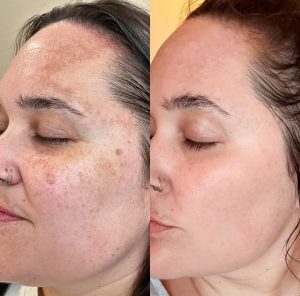
Age Spots on Hands, Neck and Chest: The Sun Damage People Forget to Treat
Most people look after the skin on their face, but the backs of the hands, the neck and the chest are exposed to the sun just as much, and they often get less protection. Over the years, that shows up as brown spots, patchy tone and uneven colour. If you’re looking into age spot removal Cheadle clinics offer, it helps to know how these areas behave, what treatment can and can’t do, and how to stop new spots forming. Here is a practical guide.
Why Hands, Neck and Chest Show Sun Damage First
These areas get a lot of everyday sunlight: driving, walking, gardening and looking out of windows. Sunscreen is usually applied to the face and then forgotten for the hands, neck and décolletage, or it rubs and washes off within minutes. Hands are washed constantly, so protection doesn’t last. The skin on the neck and chest is also fairly delicate and can show uneven colour sooner than you’d expect.
Over many years, repeated UV exposure causes the pigment-producing cells in the skin to make extra melanin in clusters. These are the flat brown marks often called age spots, sun spots or liver spots. Despite the name, they are caused by sun, not age itself, although they become more noticeable as we get older.
What Do These Marks Look Like?
Sun and age spots are usually:
- flat, with no raised surface
- light to dark brown, with fairly even colour
- oval or round, with a defined edge
- found on the backs of the hands, forearms, face, neck, chest and shoulders
Freckles are smaller and often fade in winter. Melasma tends to be broader and patchy, often on the face. Older sunburn marks can look blotchy and uneven.
When to See a Doctor First
Not every dark mark is harmless pigmentation. Please have a mark checked by your GP before treatment if it is new, raised, itchy, crusting, bleeding, painful, has an irregular edge, has more than one shade, or is changing. Cancer Research UK advises seeing your doctor if you notice a change to a previously normal patch of skin. It’s also worth having any unusual mark that lasts for more than a few weeks looked at. At your consultation, Angel will look at the mark and recommend that you see your GP first if she isn’t sure. cancerresearchukchristie
How Pico Laser Treatment Helps
At Angel Skin Lab we treat pigmentation with a pico laser. It delivers energy in extremely short pulses that break the excess pigment into smaller fragments. Over the following days and weeks, your body clears the fragments, and the spot gradually lightens. Results build over time, and some spots need more than one session.
What to expect:
- Treated spots can look darker or slightly crusty for a few days before they fade. This is normal and shouldn’t be picked.
- Skin on the hands and chest may heal a little more slowly than facial skin, so we plan aftercare carefully.
- Sun-protecting the area between sessions matters a great deal.
- Most clients need a course of sessions, spaced several weeks apart, and your plan will be tailored to your skin tone and your spots.
Is Every Skin Tone Suitable?
Laser energy can also be absorbed by the pigment in your natural skin tone, so settings have to be chosen with care. Medium and deeper skin tones need particularly careful assessment, and a patch test may be recommended. We also check that skin hasn’t been recently tanned or sunburnt, because that can increase the risk of unwanted reactions.
Aftercare for Hands, Neck and Chest
- Protect from the sun every day. Use a broad-spectrum SPF with good UVA protection, and cover the area with clothing or gloves when you can.
- Don’t pick or scratch any crusting or flaking, and let it fall away on its own.
- Moisturise gently with a fragrance-free product.
- Avoid harsh exfoliants, retinol and strong acids on the treated area until your skin has settled.
- Skip hot baths, saunas and very hot washing-up water for the first day or two.
- Be gentle with hands. Wear gloves for washing-up and cleaning, and use a mild hand wash.
Sunscreen on Hands: Do It Properly
The NHS gives clear sunscreen advice that applies to your hands, neck and chest too. It recommends a sunscreen with an SPF of at least 30 and at least 4-star UVA protection. Most people don’t apply enough, and it should be applied around 30 minutes before going out and reapplied frequently. The NHS also stresses that sunscreen alone isn’t enough, so cover up and seek shade as well. www.nhs.uk +2
Practical tips:
- Keep a small tube of SPF by the sink, in the car and in your bag, so that you reapply after washing your hands.
- Rub it into the backs of the hands, the fingers, the neck, the ears and the V of the chest.
- Wear driving gloves or a light scarf if you spend long periods behind the wheel.
- Don’t forget the sunny window seat. UV can still reach the skin through glass.
Why Prevention Matters as Much as Treatment
Treating spots without protecting the skin is like mopping the floor while the tap is still running. New spots will keep forming if the sun exposure continues. A sensible routine of daily SPF, protective clothing and shade helps your results last, and it is also good for your skin’s health overall.
What About Home Remedies?
Lemon juice, harsh scrubs and strong DIY mixtures aren’t a safe way to treat pigmentation, and they can irritate skin and sometimes make marks darker. If you want to try a product at home, speak to a pharmacist, and have any unusual mark checked first.
Timing Your Treatment
It’s easiest to look after treated skin when the sun is weaker, so many people start in autumn or winter and finish before the summer holidays. If you have a sunny trip coming up, tell us when you book so we can plan around it.
What a Consultation Involves
Angel will look at your spots, ask about sun exposure and any changes, check your skin tone and your health history, and explain how many sessions you may need. There is no pressure to book on the day. For general information about pigmentation types, the British Skin Foundation has a useful melasma leaflet, and the NHS has a clear guide to sunscreen and sun safety.
Book Your Consultation
If brown spots on your hands, neck or chest have been bothering you, we’d love to help. Come in for a honest conversation about clients can rely on, and find out what is realistic for your skin.
📍 Angel Skin Lab, Suite S61, Bizspace Cheadle Place, Stockport Road, Cheadle, Stockport, SK8 2JX
📞 Call/text/WhatsApp 07889467434
🌐 angelskinlab.co.uk
https://www.leedsth.nhs.uk/patients/resources/laser-treatment-2/
https://angelskinlab.co.uk/dermis-pigmentation-laser-removal/